Bifold Doors vs. Sliding Doors: Which Is Right for Your Home?
When considering deciding between bifold doors and sliding doors, homeowners face a significant choice. Each choice provides distinct advantages tailored to different needs. Bifold doors establish a smooth transition between indoor and outdoor spaces, while sliding doors provide a sleek, space-saving solution. Recognizing the differences between each option can significantly influence both aesthetics and functionality. Which option will ultimately improve your home's aesthetics and usability? The outcome could be unexpected.
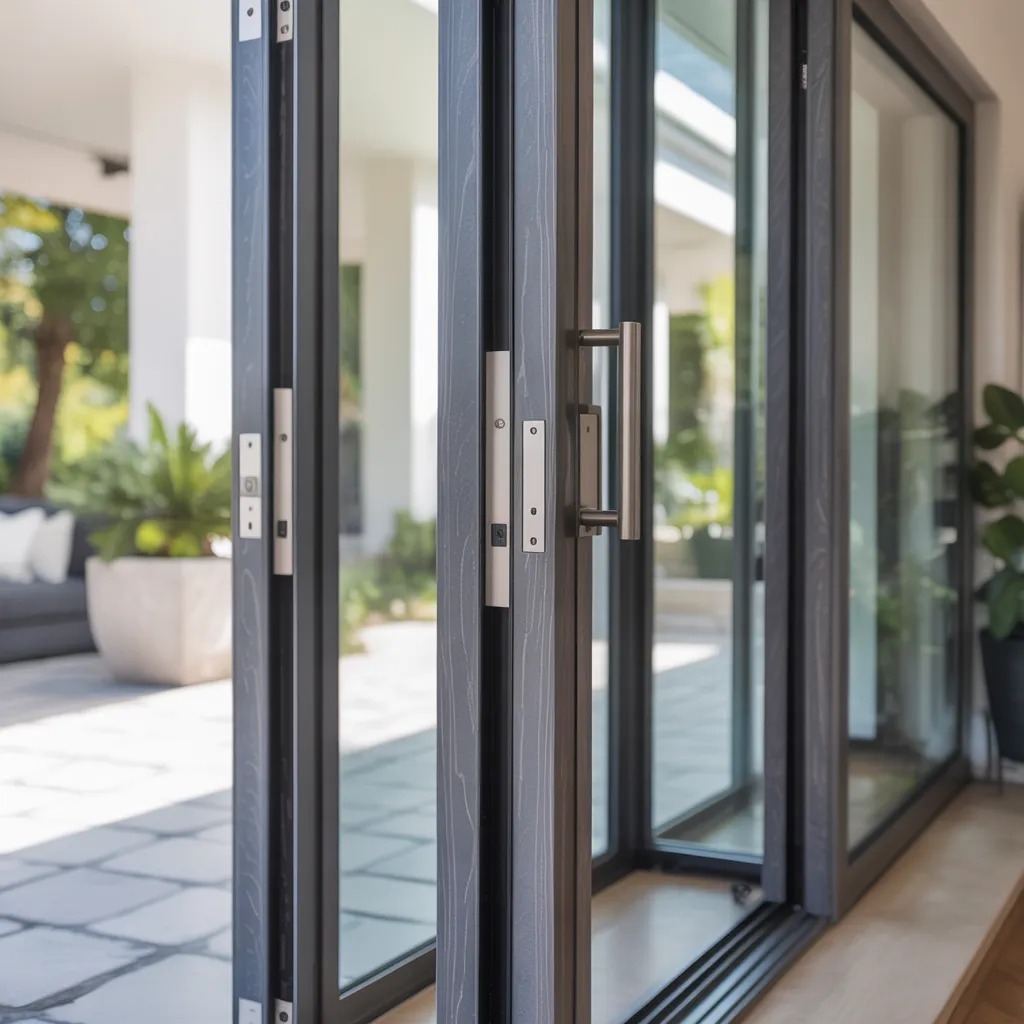
Bifold vs. Sliding Doors: Which Option Suits Your Space?
When choosing between bifold and sliding doors, what considerations are important for optimal functionality and visual appeal? Space availability is a key factor; bifold doors need additional space to open outward, making them well-suited for more spacious areas. By comparison, sliding doors glide along a track, needing minimal space, which can benefit tighter environments.
The architectural style of the home also plays an important role. Bifold doors frequently provide a more contemporary appearance, with their ability to create wide openings, improving the flow between indoor and outdoor spaces. In contrast, sliding doors offer a clean, minimalist look that pairs well with modern design styles.
Durability and maintenance are additional considerations. Bifold doors often consist of more moving components, which can result in greater wear as time passes. On the other hand, sliding doors usually have a reduced number of components, which can make upkeep considerably easier. At the end of the day, selecting between bifold and sliding doors comes down to individual needs, personal taste, and the particular features of the space being considered.
Key Benefits of Bifold Doors
Bifold doors offer significant advantages for modern spaces, particularly in their space-conscious design. By folding compactly to one side, they create an open environment that maximizes usable area. Moreover, their expansive glass panels improve natural light penetration, illuminating interiors and creating a seamless link with the outdoors.
Space-Saving Design Advantage
As homeowners frequently look for methods to make the most of their space, bifold doors offer an impressive answer. Their innovative construction permits multiple panels to collapse neatly together, generating a generous opening while eliminating the requirement for a broad swing radius. This functionality is particularly advantageous in smaller areas where traditional doors may impede movement or limit usable space. Bifold doors effortlessly bridge indoor and outdoor spaces, improving the home's overall flow while offering versatility in design arrangements. Additionally, they can be customized to fit various widths and heights, making them suitable for any room. Ultimately, bifold doors not only preserve valuable space but also provide a practical approach to elevating both usability and elegance in residential applications.
Improved Natural Light Access
As homeowners seek to brighten their living spaces, bifold doors stand out as a superior option for enhancing natural light access. Unlike traditional sliding doors, which typically consist of one fixed panel, bifold doors are designed with several panels that fold back, producing an expansive opening. This design maximizes the flow of natural light, brightening interior spaces with greater efficiency. The large glass surfaces permit sunlight to filter deeper into interior rooms, minimizing reliance on artificial lighting throughout the day. Additionally, when fully opened, bifold doors establish a fluid transition between interior and exterior areas, contributing even more to the overall brightness of the living space. This ability to invite natural light not only elevates the aesthetic appeal but also fosters a more inviting atmosphere.
Why Sliding Doors Could Be the Perfect Option for You?
When exploring ways to maximize space and visual appeal, sliding doors often stand out as an ideal choice for many homeowners. Their sleek design allows for seamless integration between interior and exterior spaces, improving the overall movement within a home. Compared to standard copyrightd doors, sliding doors need no extra space to open outward, making them especially beneficial in compact spaces.
In addition, sliding doors are customizable with numerous read this article materials and finishes, guaranteeing they suit all architectural styles. They likewise present wide glass sections, creating clear views and ample natural lighting, which may produce a more welcoming ambiance.
In terms of functionality, sliding doors are usually more straightforward to use, demanding little effort to open and close. This functional advantage, together with their design benefits, establishes sliding doors as an attractive option for homeowners seeking to improve both the practicality and aesthetics of their living spaces.
Bifold vs. Sliding: Comparing Space Efficiency
Sliding doors excel in conserving space, but bifold doors offer a compelling alternative for homeowners wanting to create wider openings. Sliding doors function on a guided track, allowing one panel to glide past another, demanding minimal space when fully opened. This feature makes them well suited for compact spaces where space conservation is essential.
On the other hand, bifold doors are comprised of multiple panels that fold back against one another. When fully extended, they create a broader passageway, which can improve the flow between indoor and outdoor spaces. However, this design needs more floor space to allow for the folding movement, which may be something to consider in compact areas.
When everything is taken into account, the ultimate choice between bifold and sliding doors copyrights on the particular requirements of the property owner. Individuals seeking unobstructed views and larger openings might gravitate toward bifold door systems, while individuals who appreciate fluid operation in smaller layouts may find sliding doors more suitable for their layout.
Cost Comparison: Bifold vs. Sliding Doors
Cost is a significant factor for property owners considering sliding or bifold doors, with each option carrying different financial consequences. In most cases, bifold door systems usually come at a higher cost because of their complex mechanisms and the necessity of premium materials to ensure smooth operation. Fitting costs can also be higher, necessitating qualified tradespeople for precise fitting.
On the other hand, sliding doors frequently carry a lower price point, making them a financially accessible alternative. The straightforward construction usually means reduced installation costs. Nevertheless, homeowners need to account for possible future costs, such as thermal performance and the likelihood of needing replacements or repairs.
Ultimately, while bifold doors deliver a visually appealing and versatile solution, sliding doors can present a more affordable choice upfront. Assessing both upfront costs and possible long-term expenditures is vital for homeowners to reach a well-informed conclusion suited to their budgetary needs and individual priorities.
Maintenance and Durability: Which Lasts Longer?
Durability and maintenance are essential aspects for homeowners evaluating bifold and sliding doors. Bifold doors, often constructed from wood or aluminum, require routine upkeep to avoid deterioration on copyrights and tracks. Homeowners must confirm the mechanisms are lubricated and check for any signs of decay or harm, particularly in timber variants. Conversely, sliding doors commonly offer a more straightforward construction with minimal mechanical elements, which can lead to lower maintenance needs. However, the tracks can accumulate dirt and debris, requiring regular cleaning to maintain smooth operation.
From a durability standpoint, both types of doors can endure for many years with proper maintenance. Bifold doors tend to be more sensitive to weather and environmental elements, while sliding doors tend to deliver reliable protection against the elements. Ultimately, the decision between bifold and sliding doors should factor in personal lifestyle requirements, maintenance expectations, and the specific materials chosen for the door's construction.

Questions We Often Receive
In What Ways Do Bifold and Sliding Doors Impact Home Energy Efficiency?
Bifold doors typically enhance thermal efficiency by offering better insulation and reduced air leakage, while sliding doors can lead to greater heat loss because of their wider openings. On the whole, bifold doors consistently offer outstanding thermal performance.
Am I Able to Install Bifold or Sliding Doors by Myself?
Fitting bifold or sliding doors by yourself is achievable for those with DIY skills. That said, accurate measurements, proper tools, and following installation guidelines are crucial to ensure optimal functionality and preserve energy efficiency in the property.
What Are the Top Materials for These Types of Doors?
When it comes to bifold doors, high-quality wood or aluminum is recommended because of durability and aesthetics. Sliding door installations commonly function optimally with frames made of vinyl or aluminum, delivering protection against the elements and low-maintenance convenience while guaranteeing seamless functionality.
What Is the Best Way to Choose Between Glass or Solid Panels?
Selecting between glass versus solid panels is based on aesthetic preferences, natural light, and privacy needs. Glass panels enhance openness and brightness, while solid panels provide insulation and soundproofing, addressing different preferences and functional needs in a home.
Are Bifold or Sliding Doors Better for Small Spaces?
Bifold doors tend to be more suitable for compact areas, as they retract entirely and create a seamless transition between indoors and outdoors. Sliding door systems, while space-efficient, do not provide the same generous opening as bifold door solutions.